 Auto Paint
Automotive Paint Guide: How to Choose Car Paint and Find Your Vehicle Paint Code
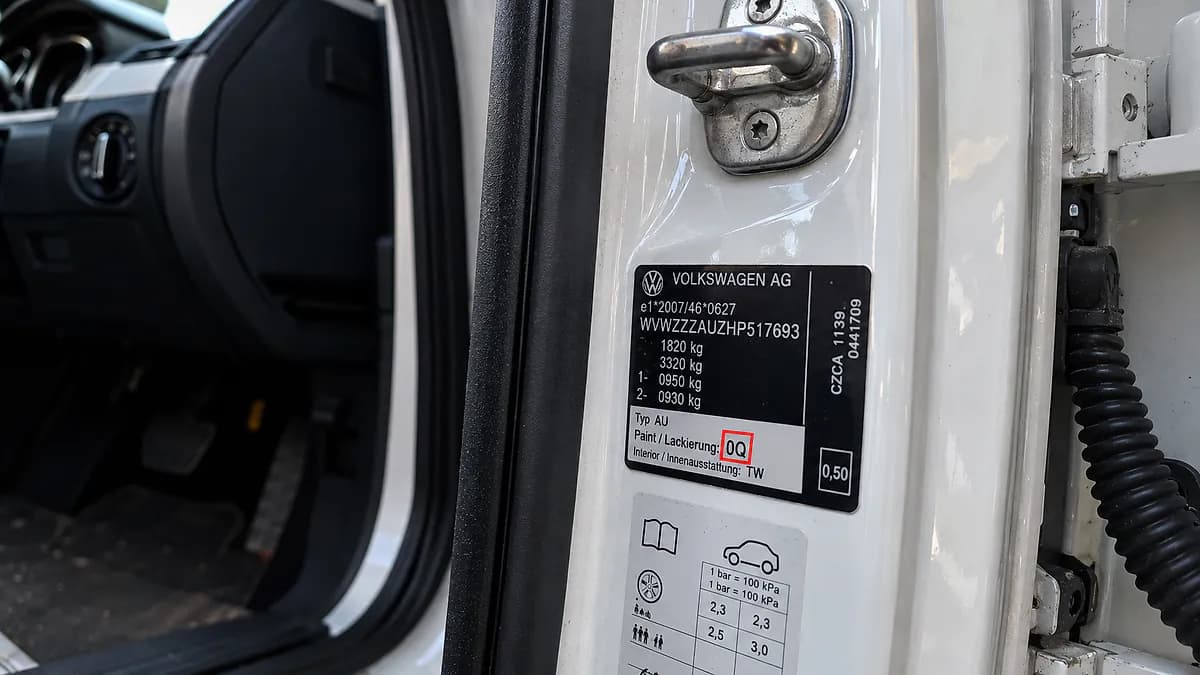
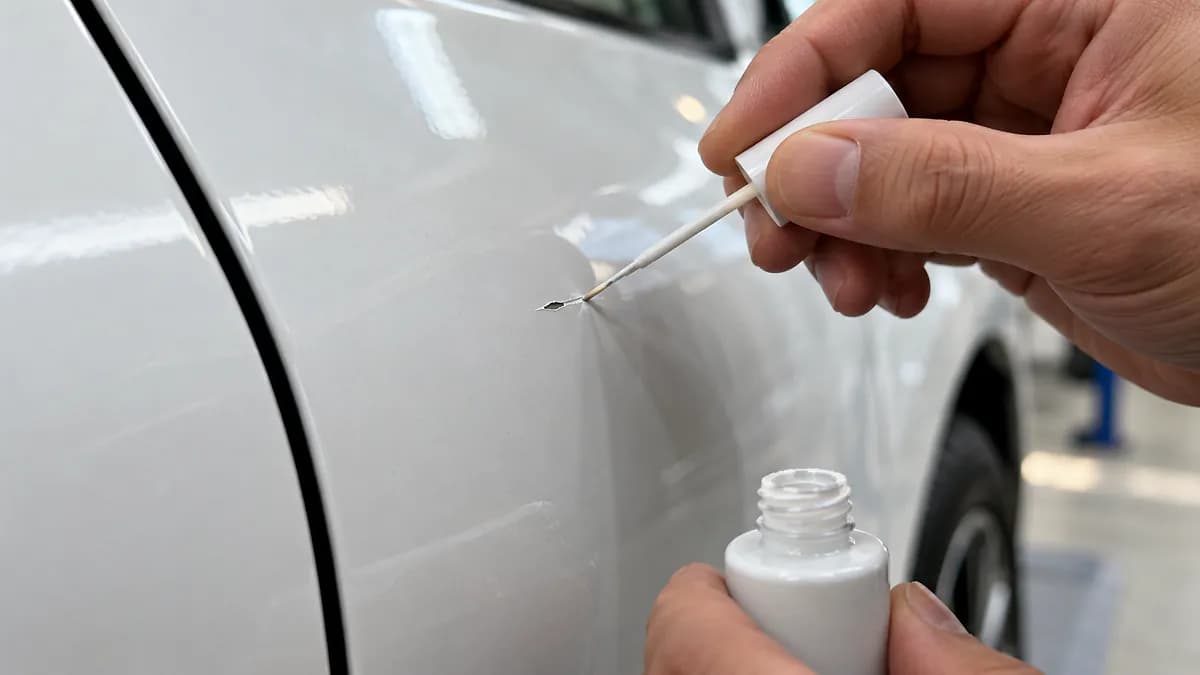
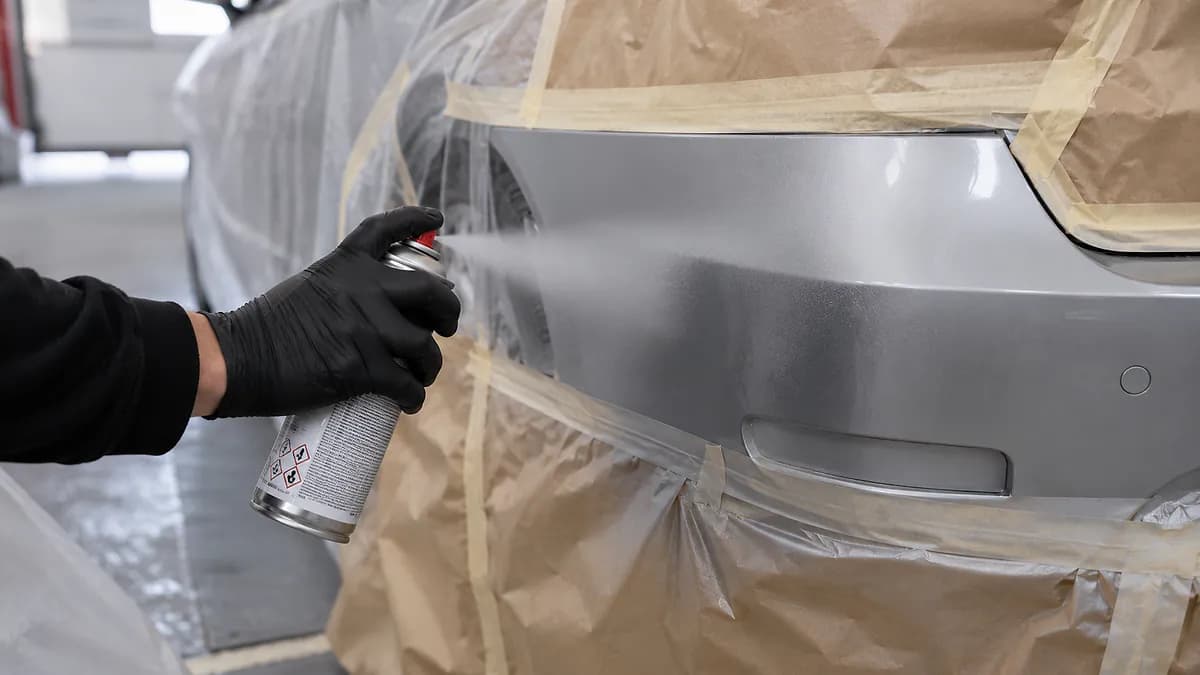
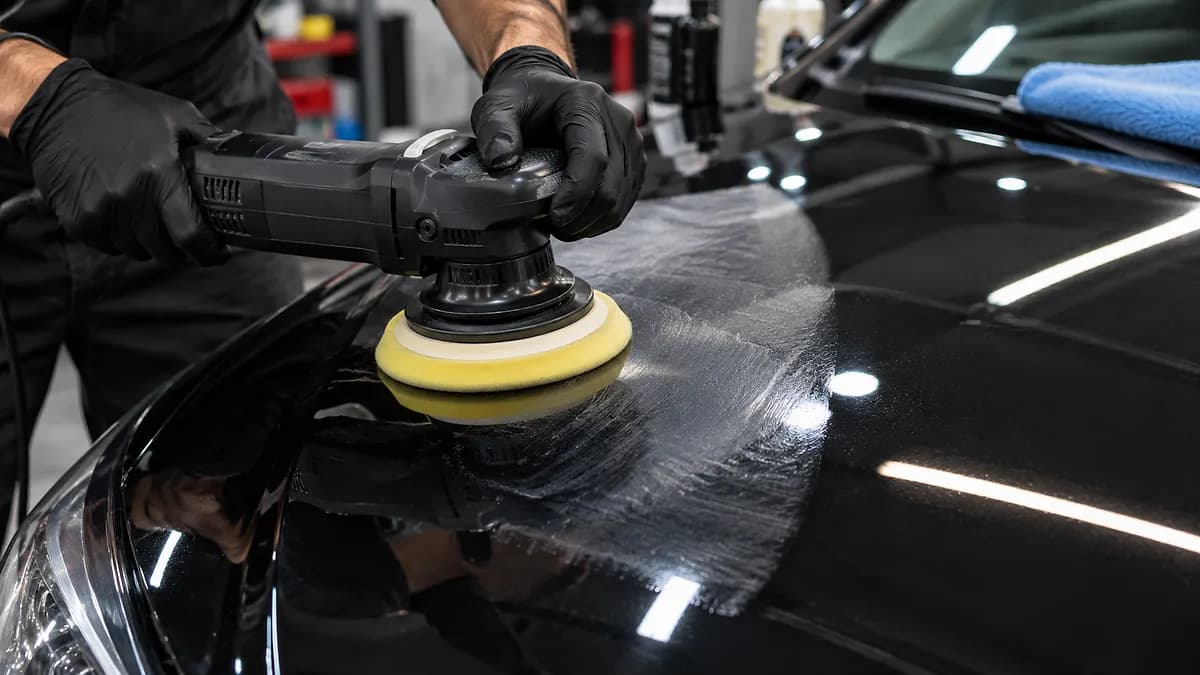
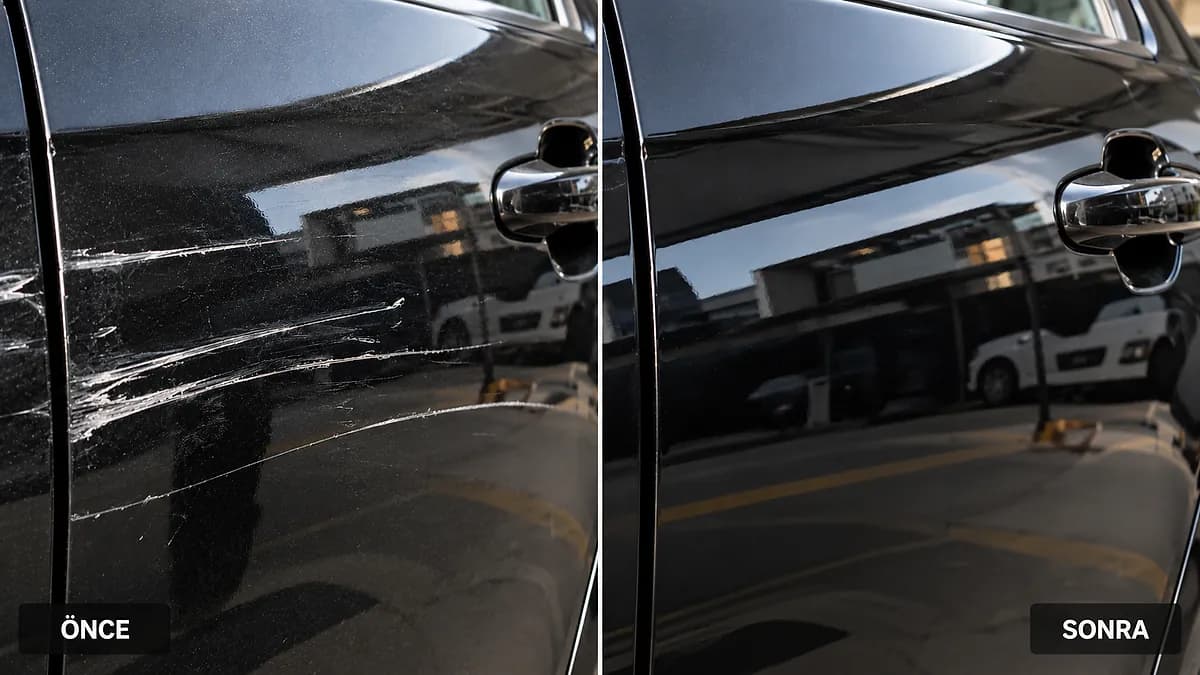
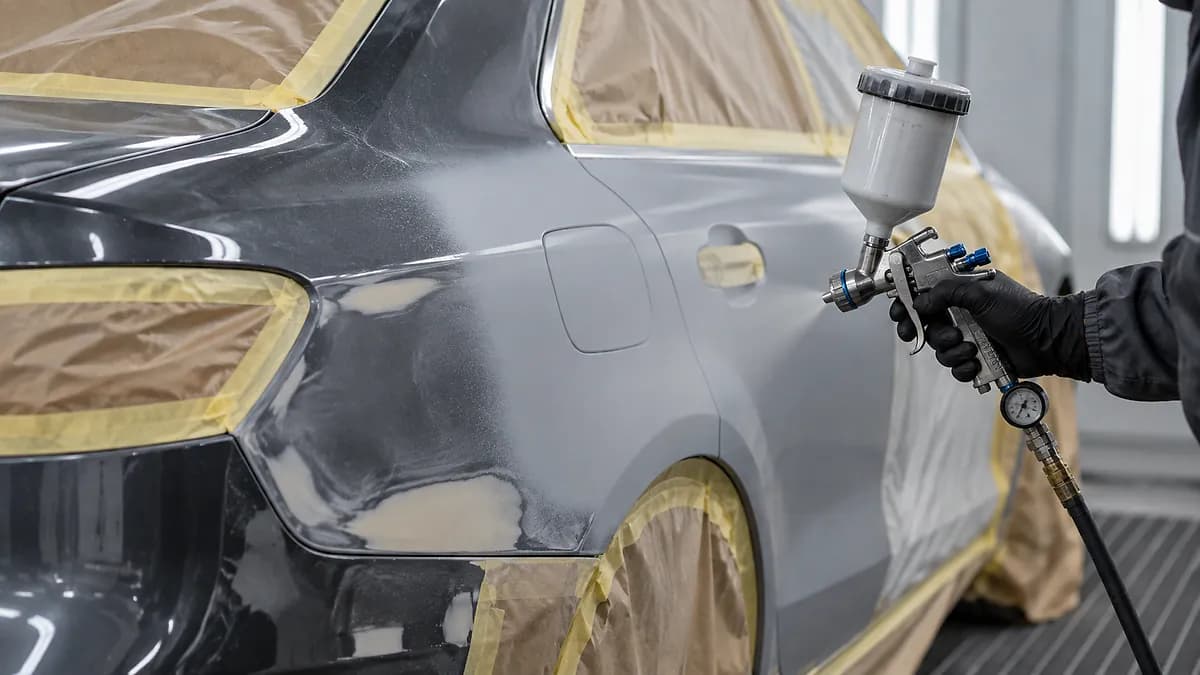
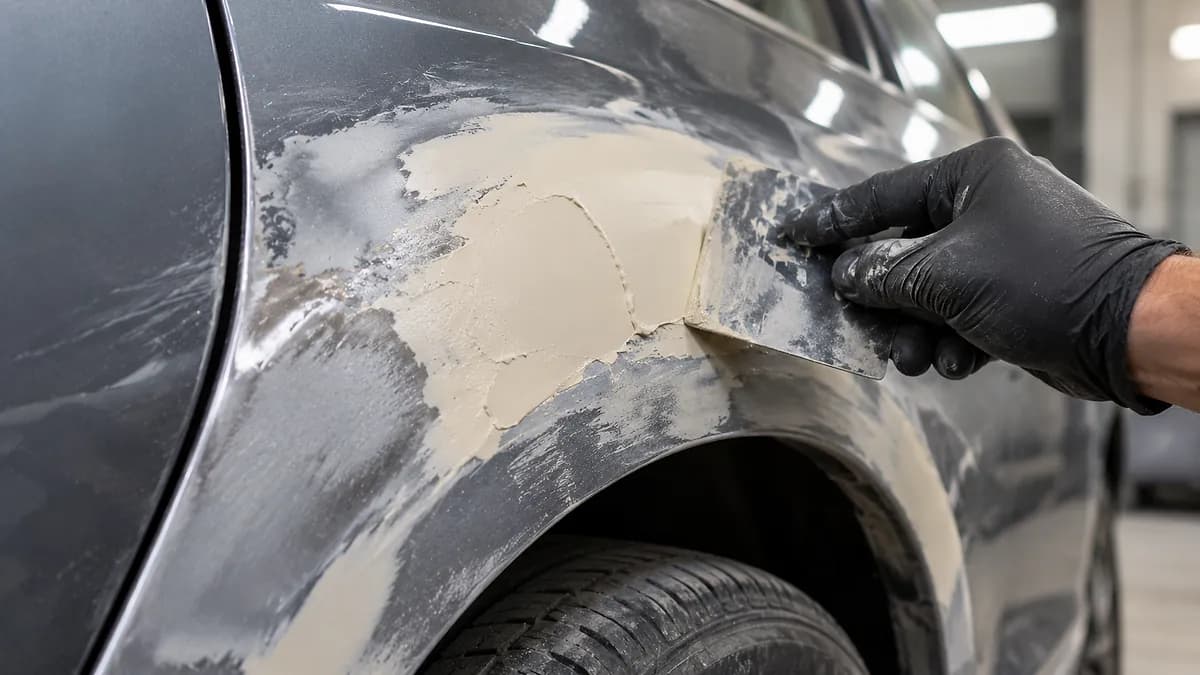
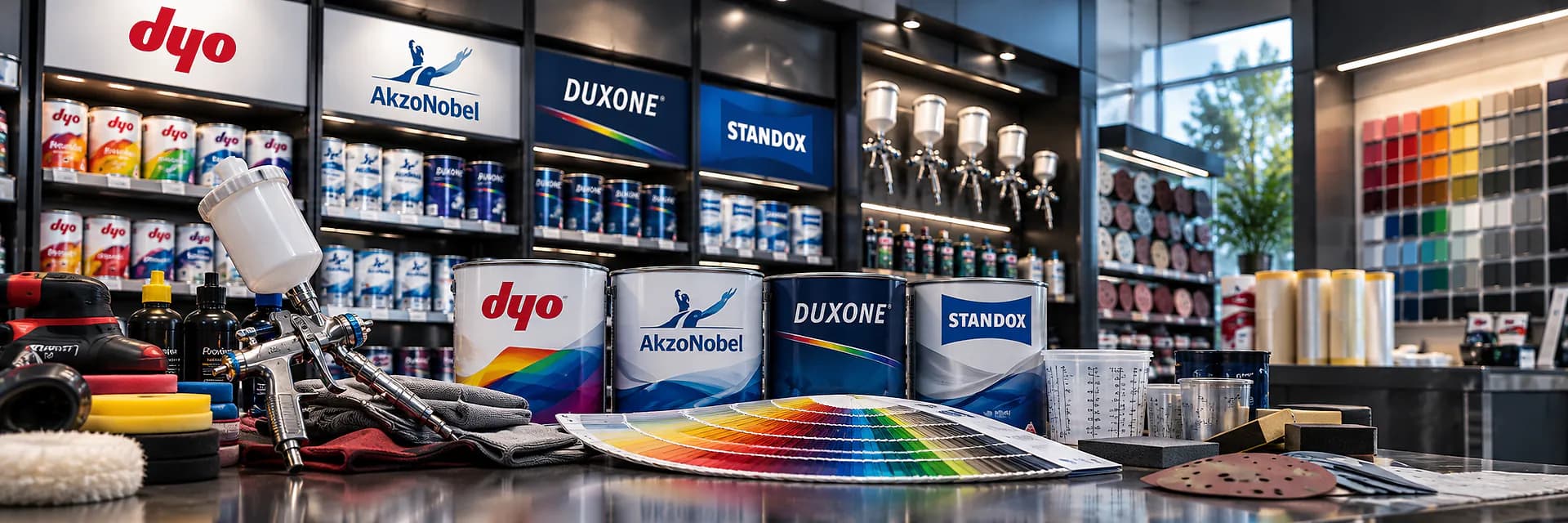
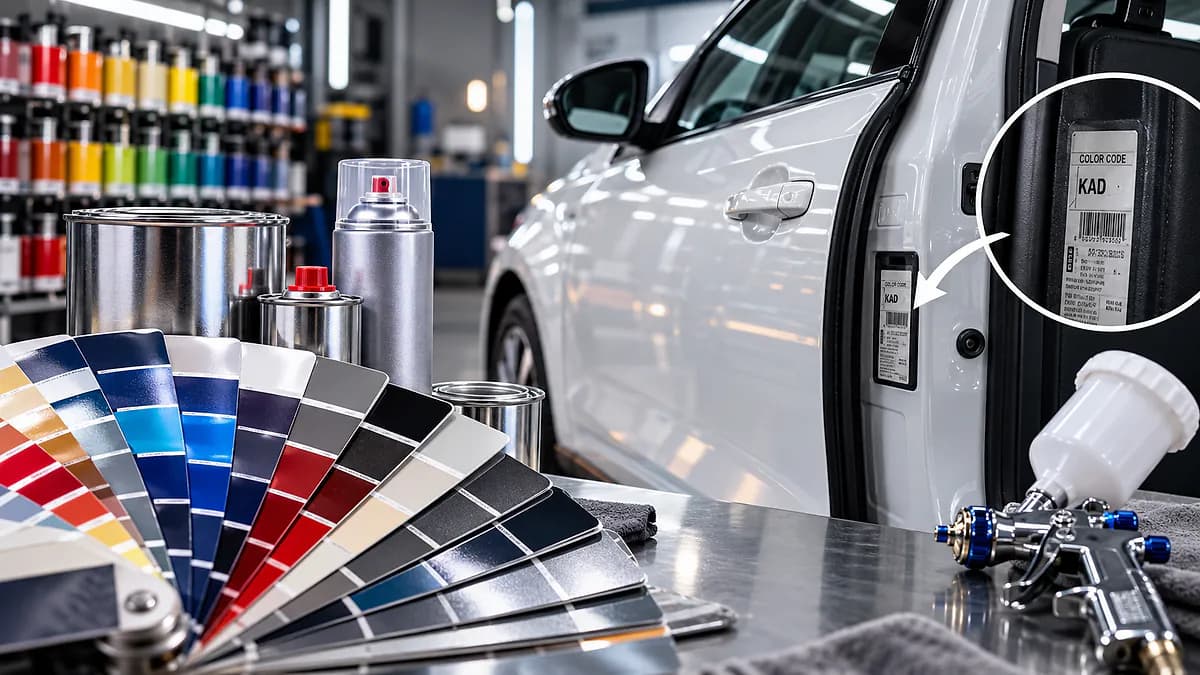
Automotive paint is much more than a decorative coating that determines the appearance of a vehicle. A properly selected paint system helps protect body panels from environmental exposure while providing the color, gloss and finish expected from an automotive surface.Choosing the correct car paint becomes particularly important when repairing scratches, stone chips, damaged panels or areas that require touch-up or refinishing.Simply looking at a vehicle and identifying it as white, black, grey or red is usually not enough to select the correct color. A manufacturer may offer several shades that appear very similar but use completely different paint formulas and color codes.Metallic and pearl colors can make this process even more challenging because their appearance changes depending on lighting, viewing angle and application technique.For this reason, choosing automotive paint usually begins with identifying the vehicle paint code.In this guide, we explain how automotive paint is selected, where car paint codes can be found, the main types of automotive paint and the factors that should be considered before a repair or refinishing application.What Is Automotive Paint?Automotive paint refers to coating systems developed for coloring and protecting the body and exterior surfaces of cars, motorcycles, commercial vehicles and other motor vehicles.Unlike standard decorative coatings, automotive finishes must operate in demanding conditions.Vehicle surfaces can be continuously exposed to:SunlightUV radiationRainSnowRoad contaminantsChemicalsTemperature changesStone chipsWashing processesA complete automotive refinishing system may include products such as primers, fillers, basecoats, clear coats, hardeners, thinners and polishing products.The exact products required depend on the surface and the type of repair being performed.How Do You Choose the Correct Car Paint?The correct automotive paint should not be selected only by a general color name.Two cars may both appear to be white while using different pigments and manufacturer formulas.For accurate color matching, the most important starting point is usually the car paint code.Several factors should be considered when choosing automotive paint.Check the Vehicle Paint CodeVehicle manufacturers identify exterior colors using specific paint codes.The code may contain letters, numbers or a combination of both.Using the correct paint code is particularly important for:Touch-up repairsSpray paint applicationsDoor refinishingFender repairsBumper refinishingLocal paint repairsBody panel refinishingIdentify the Paint TypeAutomotive finishes can have different color and effect structures.Common examples include:Solid colorsMetallic paintPearl paintBasecoat systemsAcrylic automotive paintSpecial-effect automotive finishesApplication requirements vary depending on the specific coating system.Determine the Size of the RepairA small stone chip does not require the same application method as a complete door panel.Small chips may be repaired with touch-up paint, while larger local repairs may be suitable for automotive spray paint.Professional panel refinishing generally requires a compatible automotive coating system applied using professional equipment.What Is a Car Paint Code?A car paint code is the identification code used by a vehicle manufacturer to define the original exterior color specification of a vehicle.Using a paint code allows the user to identify a technical color reference rather than relying only on a general name.For example, one manufacturer may offer several different grey colors. Some may be metallic, others may be dark graphite tones, and each may use a different formula.Therefore:Vehicle model and general color name may not always be enough.The paint code should be checked whenever possible.Where Can You Find the Vehicle Paint Code?The location of the paint code depends on the vehicle manufacturer and model.It is generally printed on a manufacturer or vehicle identification label.Common locations include:Driver-side door areaDoor jambEngine compartmentTrunk areaSpare wheel compartmentUnder-hood manufacturer labelVehicle identification labelService or maintenance documentationSome manufacturers position the label in different locations, so model-specific information may be required.Can You Find a Paint Code Using the VIN?Another common question is whether a vehicle paint code can be found using the VIN.The Vehicle Identification Number identifies a specific vehicle and can be used to retrieve certain production information.However, the paint code should not automatically be assumed to be directly encoded in clearly readable form within the VIN itself.In some cases, manufacturer or authorized service databases may be able to retrieve the original color specification using the VIN.Whenever possible, the manufacturer paint label and professional color matching should also be considered.Main Types of Automotive PaintAutomotive coatings are available in several finish types.Solid Automotive PaintSolid colors generally provide a more uniform color appearance without metallic effect particles.White, black, red and several blue colors are frequently available as solid finishes.The actual application system depends on the specific paint product.Metallic Automotive PaintMetallic car paint contains effect particles that reflect light.This creates a finish whose brightness and appearance can change depending on the viewing angle and lighting conditions.Application technique is especially important with metallic finishes because spray distance, coat thickness and gun technique can affect the final metallic orientation.Pearl Automotive PaintPearl paint uses special effect pigments that can produce changes in color and appearance depending on the viewing angle and lighting.Pearl colors can require more precise color matching than simple solid colors.For professional repairs, the existing vehicle finish may also need to be physically evaluated in addition to checking the paint code.When Should Touch-Up Paint Be Used?A complete body panel does not always need to be refinished because of a small defect.Automotive touch-up paint may be suitable for:Small stone chipsDoor-edge damageMinor paint lossSmall scratchesLocalized paint defectsTouch-up products allow a small amount of paint to be applied directly to a limited area.However, if the scratch only affects the clear coat, polishing may sometimes be more appropriate than applying additional paint.When Should Automotive Spray Paint Be Used?Automotive spray paint can be useful for areas that are larger than typical touch-up repairs but do not require a conventional spray gun application.Possible applications include:Small body componentsLocal repairsPlastic partsWheelsSelected bumper areasSmall refinishing projectsCorrect color is only one part of the process.Surface preparation, sanding, cleaning, primer selection, spraying distance, flash times and clear coating can all affect the result.Why Is Automotive Primer Important?Automotive primer prepares the surface before the color coating is applied.Depending on the product and repair system, primer can help:Improve adhesionFill minor surface imperfectionsProvide a more uniform substratePrepare bare metalSupport the final finish qualityThe primer should be selected according to the substrate.Bare metal, previously painted surfaces and plastic components may require different preparation systems.What Does Automotive Clear Coat Do?Many basecoat systems are finished with an automotive clear coat.Clear coat creates the outer protective and visual layer of the paint system.A suitable clear coat can:Improve glossSupport protection against environmental exposureProvide a smoother appearanceContribute to overall coating durabilityClear coat is particularly important in many metallic and pearl basecoat systems.Why Can Vehicle Paint Change Color Over Time?Even when the correct paint code is selected, a newly painted area may sometimes appear slightly different from the existing finish.One reason is that the original surface has been exposed to environmental conditions for years.Factors that may affect appearance include:UV radiationLong-term sunlight exposureChemicalsIncorrect washing techniquesEnvironmental contaminationPrevious refinishing workFor older vehicles, professional color matching may therefore be useful in addition to the manufacturer paint code.Common Mistakes When Choosing Car PaintSeveral common mistakes can negatively affect the final repair.Selecting Paint Only by Color NameA description such as white, black or grey is not enough to define an exact automotive color formula.Many different shades may share the same general color name.Ignoring the Paint CodeVehicle make and model are useful information, but failing to check the paint code can result in incorrect color selection.Skipping Surface PreparationEven high-quality automotive paint may perform poorly if applied to an improperly prepared surface.Cleaning, sanding, degreasing and appropriate priming are essential parts of many refinishing procedures.Mixing Incompatible ProductsAutomotive paint systems can include primer, paint, clear coat, hardener and thinner.These components should be compatible with each other and used according to the relevant technical instructions.What Should Be Checked Before Painting a Vehicle?Before beginning an automotive paint application:Identify the damaged area.Determine the depth of the damage.Find the vehicle paint code.Select the appropriate coating system.Clean the surface.Sand when required.Apply the correct primer when necessary.Apply paint in controlled coats.Apply clear coat when required by the system.Follow recommended drying and curing times.Product-specific technical instructions should always be followed.What Materials Are Used for Automotive Painting?Depending on the repair, automotive refinishing materials may include:Automotive paintTouch-up paintAutomotive spray paintPrimerClear coatBody fillerHardenerThinnerSolventSandpaperMasking tapeMasking paperSpray gunPolishing productsCutting compoundsWaxesSwirl removersSurface preparation productsProfessional results require compatible products and correct application techniques.Does Every Scratch Require Repainting?Not every scratch requires a complete body panel to be painted.The correct repair depends on the depth of the damage.Light clear-coat scratches may sometimes be improved through polishing or compound application.Small defects reaching the color coat may require touch-up paint.Larger areas of paint loss may require local refinishing or complete panel painting.Proper damage assessment should therefore be completed before selecting the repair method.Why Choosing the Correct Automotive Paint MattersSelecting the correct vehicle paint is important for both appearance and repair quality.Correct paint selection can help:Improve color matchingMake local repairs appear more naturalSupport a consistent coating systemPreserve the visual appearance of the vehicleReduce the risk of unnecessary repaintingCorrect color identification becomes especially important in touch-up and local refinishing work.Frequently Asked QuestionsWhere is the car paint code located?Depending on the manufacturer, the paint code may be located around the driver-side door, door jamb, engine compartment, trunk or vehicle identification label.Can I find a paint code from a license plate?A license plate is not itself a paint code. Vehicle identification labels or manufacturer information should be used when identifying an automotive color.Can a paint code be found from the VIN?In some cases, manufacturer or service systems can retrieve vehicle production information from the VIN. However, the paint code should not automatically be assumed to be directly readable from the VIN characters.Should I use touch-up paint or spray paint?Touch-up paint is generally more suitable for very small stone chips and localized defects. Spray paint may be more practical for larger areas. The repair method should match the size and depth of the damage.If the paint code is correct, will the color always match perfectly?The paint code is a critical reference, but vehicle age, UV exposure, previous repairs and application technique can cause slight visual differences.Does metallic automotive paint require clear coat?Many metallic basecoat systems are designed to be finished with a compatible automotive clear coat. The technical instructions of the specific paint system should always be followed.Is primer necessary before automotive paint?Primer requirements depend on the substrate and repair system. Bare metal, repaired areas and filled surfaces often require suitable priming before the color coat is applied.Can I identify car paint color from a photograph?Photographs can alter color because of lighting, cameras, screens and environmental conditions. Checking the vehicle paint code provides a more reliable starting point for color identification.ConclusionChoosing the correct automotive paint is one of the most important stages of a successful refinishing or touch-up repair.Instead of identifying a color only by appearance, checking the vehicle paint code, determining the correct coating type and selecting compatible automotive refinishing products can produce a much more reliable result.Touch-up paint, automotive spray paint, primers, clear coats, compounds and polishing products all perform different functions within vehicle repair and refinishing.Before repairing scratches, stone chips or larger damaged areas, the depth and size of the defect should be evaluated.When selecting paint for a vehicle, checking the make, model, production year and paint code can significantly improve the accuracy of the color selection.